in Houston, TX
ScalpFit™ offers expert care for frontal fibrosing alopecia in Houston, TX. This condition causes progressive hairline recession, mostly affecting women. Our team provides advanced diagnosis and personalized treatment plans to help slow hair loss and restore confidence. Discover compassionate support and effective solutions with our Houston specialists.

Table of Contents
What is Frontal Fibrosing Alopecia?
Frontal fibrosing alopecia is a type of hair loss that causes the hairline to slowly move back over time. It often affects the front of the scalp and temples and may also lead to thinning or loss of the eyebrows. Some people notice redness, itching, or mild discomfort around the hairline. Getting care early is important because treatment can help slow hair loss and protect the hair you still have.
Symptoms of Frontal Fibrosing Alopecia
A receding frontal hairline is the most prominent sign of frontal fibrosing alopecia. The hair loss typically progresses slowly, causing the hairline to move backward and resulting in a more pronounced forehead. Early intervention can help slow this progression and preserve existing hair.
Many individuals notice thinning or complete loss of their eyebrows, particularly the outer edges, as well as loss of other facial hair. This symptom often accompanies hairline recession and can contribute to changes in facial appearance. Prompt recognition may lead to earlier management.
Redness or irritation along the affected scalp area is common with this condition. These symptoms may indicate underlying inflammation, which can further contribute to hair follicle damage. Addressing inflammation early can improve comfort and outcomes.
An itching or burning sensation on the scalp often occurs before or during hair loss. This discomfort can be mild or persistent, sometimes signaling active inflammation. Managing these symptoms is important for both relief and preventing further damage.
Visible scarring may develop in the areas of hair loss, leading to a smooth, shiny appearance of the scalp. Scarring indicates permanent damage to hair follicles, making early diagnosis and intervention crucial. Timely treatment may help limit further scarring.
Underlying Causes of This Condition
The exact cause of frontal fibrosing alopecia is not fully understood, but it is believed to involve a combination of genetic, hormonal, and immune system factors. This condition often affects postmenopausal women and may be linked to changes in hormone levels or autoimmune responses. Environmental triggers and certain medications have also been suggested as potential contributors to its development.
Top Treatments for Frontal Fibrosing Alopecia
Who Should Consider Frontal Fibrosing Alopecia Tretment?
Ideal candidates for frontal fibrosing alopecia treatment are individuals experiencing progressive hairline recession, especially women over 40. Those with early signs of eyebrow or facial hair loss may also benefit from prompt evaluation and intervention. Seeking treatment at the first signs of change can help slow progression and preserve hair.
People with a family history of autoimmune or scarring alopecia may be more likely to develop frontal fibrosing alopecia and should consider evaluation if symptoms appear. Candidates who have not yet experienced significant scarring may respond best to available treatments. Early consultation maximizes the likelihood of preserving hair and preventing further loss.
Patients who are in good general health and do not have contraindications to topical or oral therapies make good candidates. Individuals motivated to follow a personalized treatment plan and attend regular follow-up appointments are most likely to achieve optimal results. Commitment to ongoing care is important for managing this chronic condition.
Those seeking to restore their hairline or improve the appearance of thinning areas may consider advanced options like PRP therapy or hair transplantation. Candidates should have realistic expectations and understand that results vary depending on the extent of hair loss and scarring. A consultation with a specialist can help determine the most appropriate treatment approach.
Schedule Your Free Hair Analysis
Benefits of Frontal Fibrosing Alopecia Treatment
Slows Hairline Recession
Treatment for frontal fibrosing alopecia can slow or halt the progression of hairline recession. Early intervention helps preserve existing hair and prevents further loss. This proactive approach is key for maintaining a natural appearance.
Reduces Scalp Inflammation
Effective therapies target inflammation in the scalp, which is a major contributor to hair follicle damage. Reducing inflammation can alleviate symptoms like redness, itching, and discomfort. This also helps protect remaining hair follicles from further harm.
Promotes Hair Regrowth
Certain treatments, such as PRP therapy and topical medications, may stimulate new hair growth in affected areas. While results vary, many patients experience noticeable improvement in hair density and coverage. Regrowth can help restore confidence and a more youthful appearance.
Improves Self-Confidence
Addressing hair loss and restoring the hairline can have a significant positive impact on self-esteem. Patients often report feeling more comfortable and confident in their appearance after treatment. Emotional well-being is an important aspect of comprehensive care.
Customized Care and Support
At ScalpFit™, treatments are tailored to each patient’s needs and goals. Ongoing support and education empower patients throughout their care journey. Personalized attention ensures the best possible outcomes and a positive treatment experience.
Why Choose ScalpFit™ For Androgenic Alopecia Treatment?
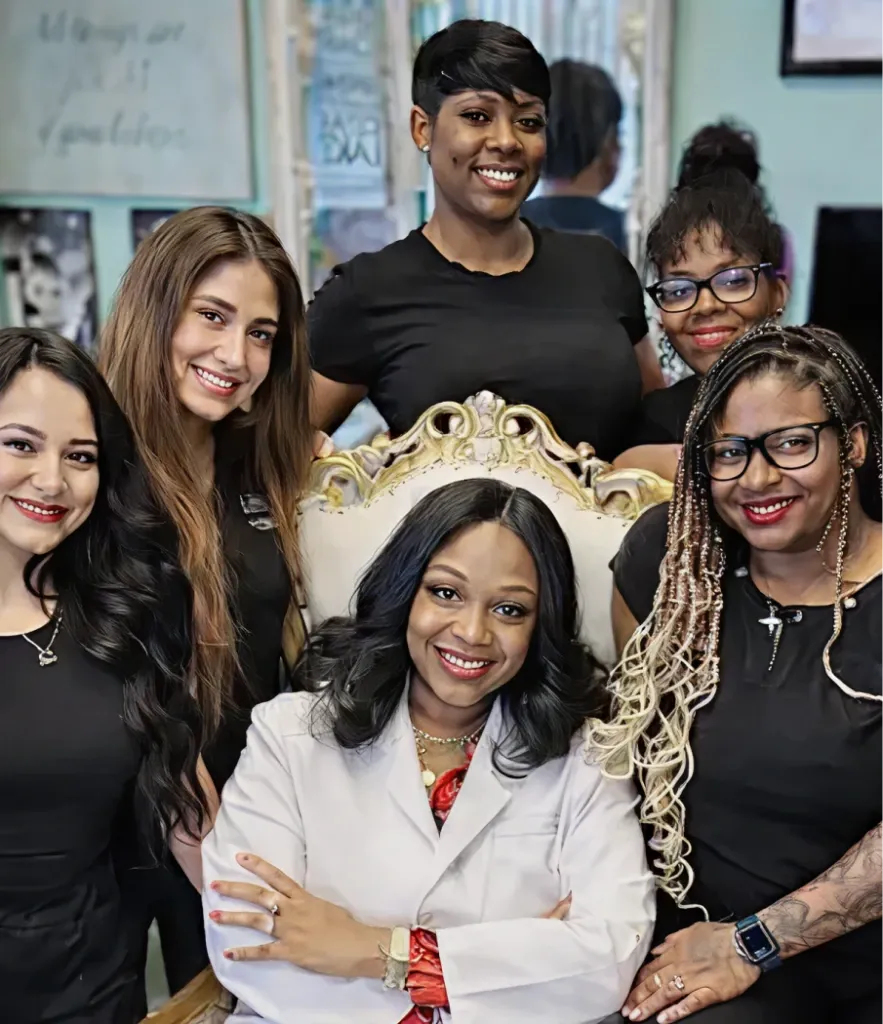
At ScalpFit™, our team specializes in diagnosing and treating androgenic alopecia using the latest medical advancements. We take a personalized approach to care, tailoring each treatment plan to your unique needs and goals. With our commitment to natural-looking results and patient satisfaction, you can feel confident in your journey toward healthier, fuller hair.
Not sure which treatment is best for you?
Testimonials

“Over time, not only did my hair stop falling out like before, but it started growing back thicker, shinier, and healthier.”
– LUXURY