
in Houston, TX
ScalpFit™ offers expert care for traction alopecia in Houston, TX. Traction alopecia is hair loss caused by continuous tension or pulling on the hair, often from tight hairstyles. Our team provides personalized solutions to restore hair health and confidence. Early intervention can help prevent further damage and promote natural regrowth.

Table of Contents
What is Traction Alopecia?
Traction alopecia is a type of hair loss that develops when hair is subjected to persistent pulling or tension, commonly from hairstyles like braids, ponytails, or extensions. This repeated stress can damage hair follicles, leading to gradual thinning or bald patches, especially along the hairline or scalp edges. Recognizing the early signs of traction alopecia is important, as timely changes in hair care practices can help prevent permanent hair loss.
Symptoms of Traction Alopecia
One of the earliest signs of traction alopecia is gradual thinning of the hair, especially around the hairline or areas under tension. This thinning can be subtle at first, making it important to pay attention to changes in hair density. Early intervention can help prevent further progression and restore hair health.
A receding hairline is a common symptom, often developing where hair is pulled tightly, such as the temples or forehead. Over time, the hairline may move further back as follicles become damaged, making it more noticeable. Recognizing this change early is key to halting further hair loss.
Small bald patches can develop in areas subjected to repeated tension or tight hairstyles. These patches may start as small spots but can expand if the cause of stress is not addressed. Prompt changes in hair care and treatment can help encourage regrowth in affected areas.
Redness or irritation of the scalp often accompanies traction alopecia, particularly in areas where hair is pulled tightly. This irritation may signal inflammation or damage to hair follicles, which can worsen if not treated. Addressing the underlying cause can help soothe the scalp and support healing.
Tenderness or soreness in the scalp is another sign, often resulting from prolonged tension or pulling. The discomfort may be most noticeable when touching or styling the hair. Reducing tight hairstyles and seeking professional care can help alleviate pain and prevent further damage.
Effective Treatments for Hair Regrowth
Traction alopecia most frequently results from wearing tight hairstyles such as braids, ponytails, or extensions that place ongoing stress on hair follicles. Repeated use of hair accessories, chemical treatments, or styling tools can also contribute to follicle damage over time. Identifying and modifying these hair practices early can help minimize long-term hair loss and support healthier regrowth.
Effective Treatments for Hair Regrowth
Who Should Consider Traction Alopecia Treatment?
Ideal candidates for traction alopecia treatment are individuals experiencing early signs of hair thinning, bald patches, or scalp discomfort due to tight hairstyles. Those who have recently noticed changes in their hairline or scalp health and are seeking to prevent further loss are especially suited for intervention.
People who are willing to modify their hair care practices and avoid styles that place excessive tension on the scalp make excellent candidates. Commitment to following a customized treatment plan enhances the likelihood of successful hair regrowth and long-term results.
Candidates include individuals with realistic expectations about the outcomes of medical or restorative treatments. Those who seek early diagnosis and professional guidance are more likely to benefit from minimally invasive options and avoid permanent hair loss.
Anyone experiencing discomfort, scalp inflammation, or visible changes in hair density due to mechanical stress is encouraged to seek treatment. Both men and women of all ages can benefit from early intervention and expert care at Texas Hair Restoration and Wellness.
Schedule Your Free Hair Analysis
Benefits of Traction Alopecia Treatment
Restored Hair Growth
Effective treatment for traction alopecia can stimulate dormant follicles and encourage the regrowth of healthy hair. Many patients notice visible improvements in hair density and coverage over time. Early treatment supports natural restoration and minimizes the risk of permanent loss.
Improved Scalp Health
Targeted therapies help reduce inflammation, irritation, and discomfort on the scalp. Improved scalp health creates a better environment for hair regrowth and overall wellness. Patients often report less tenderness and healthier-feeling skin after treatment.
Prevention of Further Hair Loss
By addressing the underlying causes of traction alopecia, treatment helps stop ongoing follicle damage and prevents additional hair loss. Early intervention and education about proper hair care are key to maintaining results. Patients gain the knowledge needed to protect their hair long-term.
Boosted Confidence
Regaining hair and improving scalp health often leads to increased self-confidence and comfort with one’s appearance. Patients feel more positive and empowered as their hair restores and discomfort lessens. Our supportive team helps you achieve both aesthetic and emotional well-being.
Personalized Care Plans
At ScalpFit™, each patient receives a tailored treatment plan based on their unique needs and goals. Personalized care ensures optimal results and a comfortable experience throughout your hair restoration journey. Ongoing support and guidance are provided every step of the way.
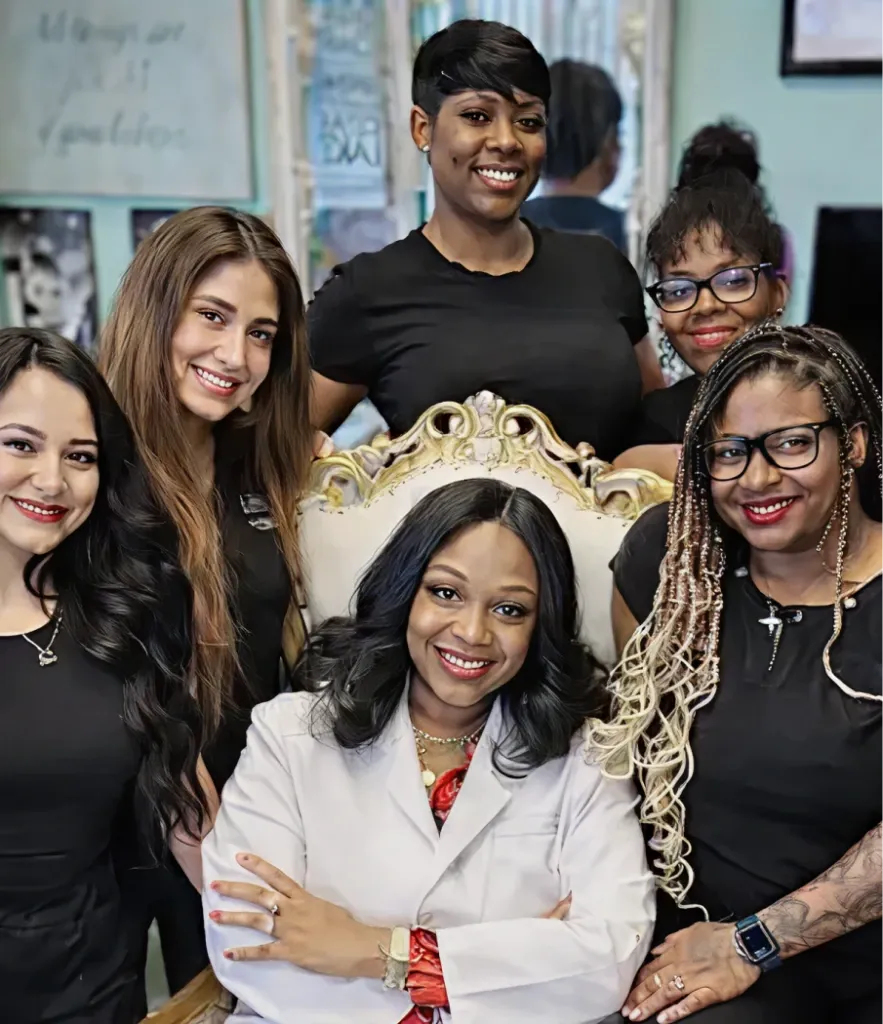
Why Choose ScalpFit™ For Androgenic Alopecia Treatment?
At ScalpFit™, our team specializes in diagnosing and treating androgenic alopecia using the latest medical advancements. We take a personalized approach to care, tailoring each treatment plan to your unique needs and goals. With our commitment to natural-looking results and patient satisfaction, you can feel confident in your journey toward healthier, fuller hair.
Not sure which treatment is best for you?
Testimonials

“Over time, not only did my hair stop falling out like before, but it started growing back thicker, shinier, and healthier.”
– LUXURY